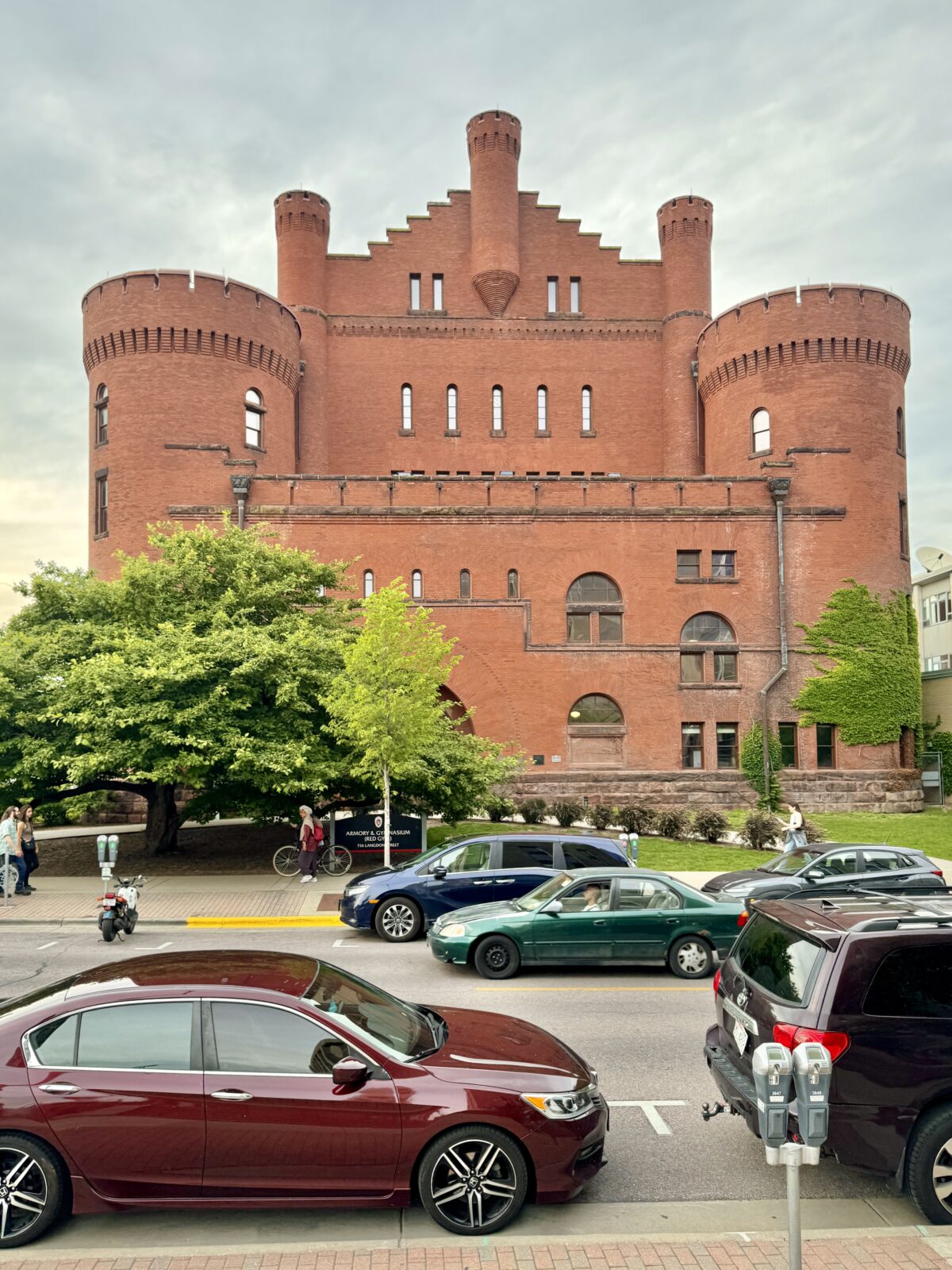
The Red Gym: Supporting Students for Over 130 years
By Alexa Miller, Student Employee
Just off the shore of Lake Mendota and next to Memorial Union stands one of UW–Madison’s most recognizable buildings: the Red Gym. Today, the building is home to University Veteran Services, the Morgridge Center for Public Service, Multicultural Student Center, International Student Services, and many other student support services. But more than 130 years ago, the building served a much different purpose.
When the Red Gym first opened its doors on September 17, 1894, it was known as the Gymnasium and Armory. The building was constructed to replace UW–Madison’s original gymnasium, which stood on Bascom Hill before burning down in 1891.
The new building was designed to serve more than just the growing athletic needs of UW–Madison. Years of political unrest in the form of the New York City Draft Riots, the Haymarket Affair, and much more contributed to the growing need for a military training space, which helped shape the distinctive exterior of the Red Gym. Because the building would serve many military purposes including housing ammunition during a time of political unrest, the architects designed the castle-like exterior with security and defense in mind.
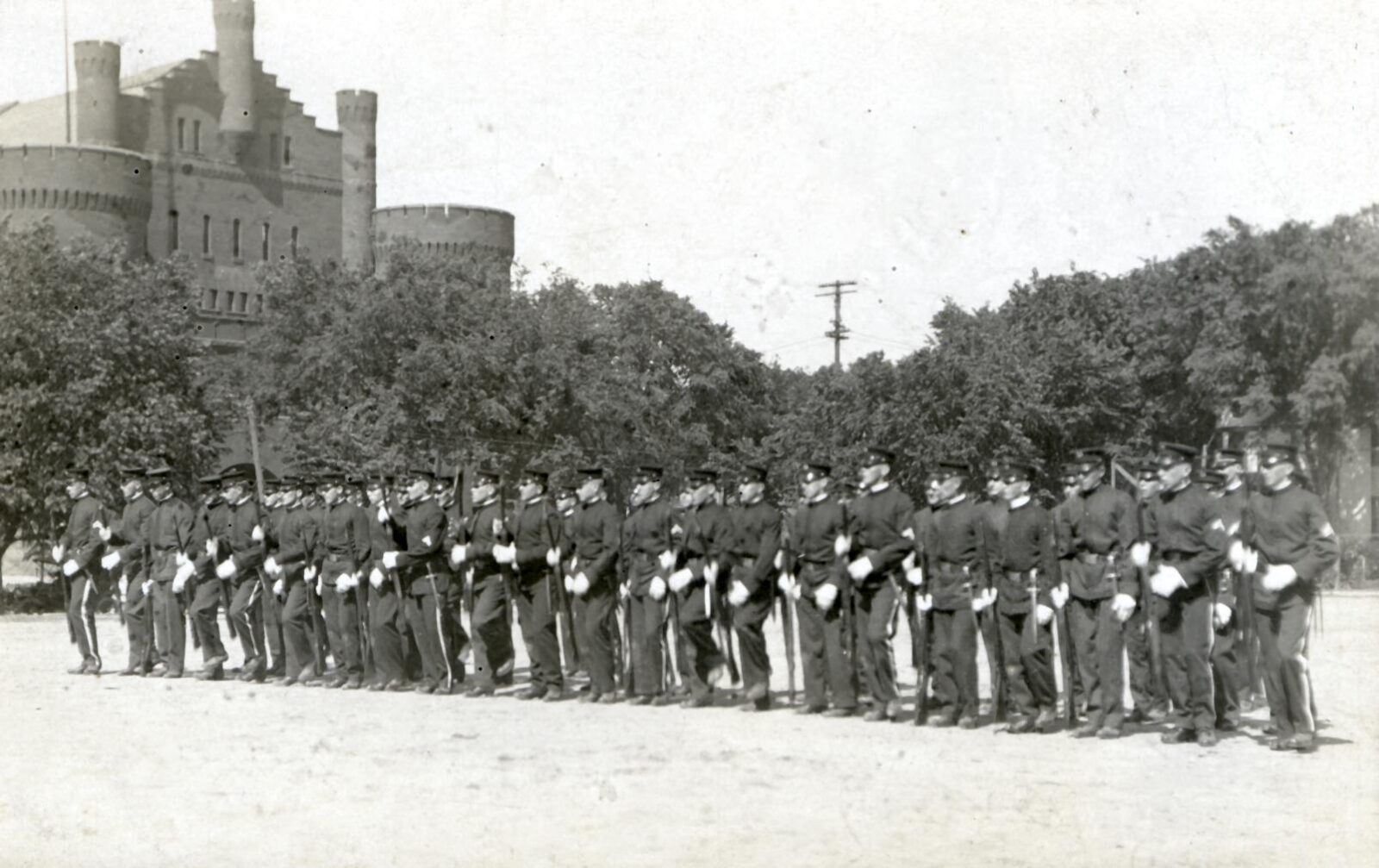
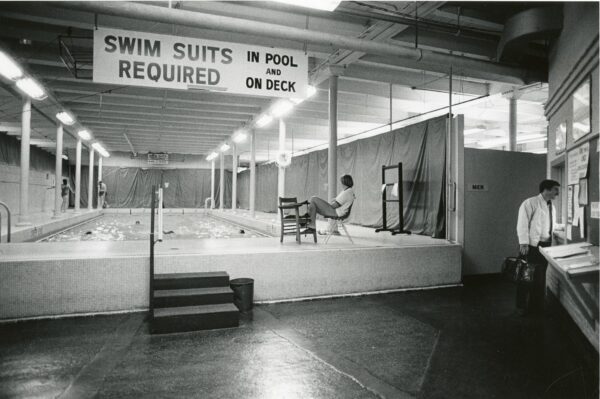
Inside, the building featured a variety of spaces that reflected its dual purpose. Students had access to an 80-by-20-foot swimming pool, two 160-foot rifle ranges, and a bowling alley. The second floor of the Red Gym was designed for military drilling, with the Drill Hall and Assembly Room occupying almost the entire floor. However, the Assembly Room quickly became a popular spot for non-military purposes; it could house up to 2,240 people at a time and notably became the location of the 1902 and 1904 Wisconsin State Republican Conventions.
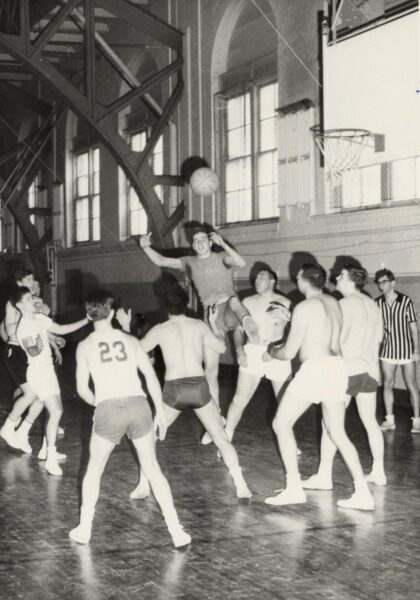
Although the Red Gym served many different purposes, it quickly became outdated by 1911, just 17 years after its opening. This was mainly due to the student body surging from approximately 700 to over 2,000 in less than two decades, making the facility far too small to serve the needs of every student.
While the building became outdated, it was never useless. It continued to host Wisconsin Badger basketball games until 1930 and was the chaotic location of in-person class registration until 1983. It even continued to house Army ROTC for many decades, making it a focal point of Vietnam War protests. The most notable was the firebombing of the Red Gym in 1970 by a group of arsonists, one of whom had ties to the New Year’s Gang, a group of four anti-Vietnam War activists who would later be responsible for the bombing of Sterling Hall. The total damage from the firebombing was estimated to be around $46,000, which is equivalent to almost $400,000 today.
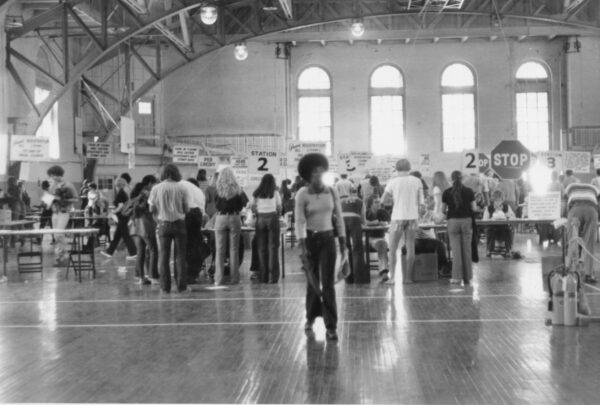
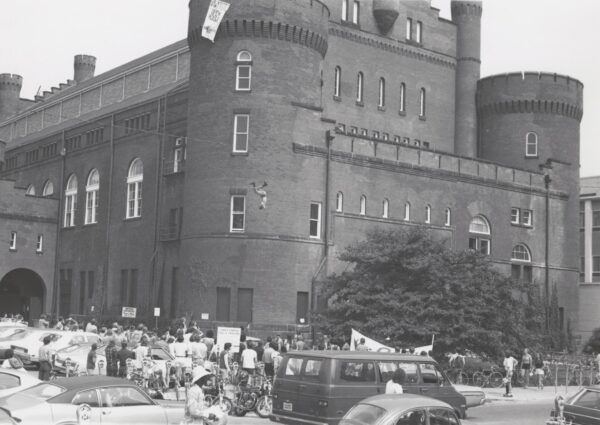
The Red Gym now looks much different than it did when it first opened its doors in 1894. The swimming pool, rifle ranges, and military training spaces are gone, replaced by offices, meeting spaces and services designed to support UW–Madison’s diverse student population.
Despite these changes, the building’s history can still be seen in its architecture. What was originally meant to be a gymnasium, armory, and military training facility is now adapting to meet the changing needs of UW–Madison’s students. While the interior may look much different and no longer serves the same purposes, it’s still doing what it was primarily intended to do: serve the UW–Madison students and give them a sense of community.